You water on schedule. Your controller runs every zone. Yet your lawn still has brown streaks in some spots and soggy patches in others. The cause is often improper sprinkler head spacing, a problem many Dallas homeowners and property managers don’t notice until the damage shows.
When sprinkler heads sit too far apart, water never reaches parts of the lawn. When they sit too close, some areas get soaked twice. Either way, you waste water and money, and you stress your turf. If you’re seeing uneven coverage, professional irrigation repair in Dallas can pinpoint the spacing problem and get your system watering evenly again.
This guide covers:
- Why spacing matters for an even, healthy lawn
- The warning signs of poor sprinkler layout
- How spacing affects lawn health and water bills
- How professional irrigation repair in Dallas can find and fix the problem
Why Proper Sprinkler Head Spacing Matters
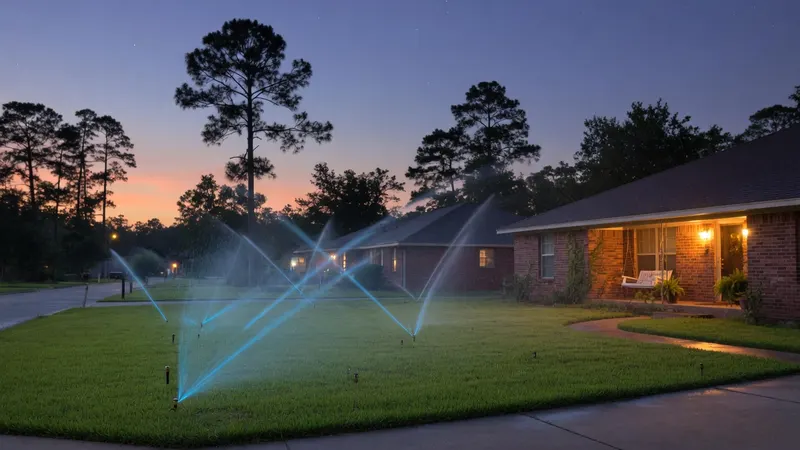
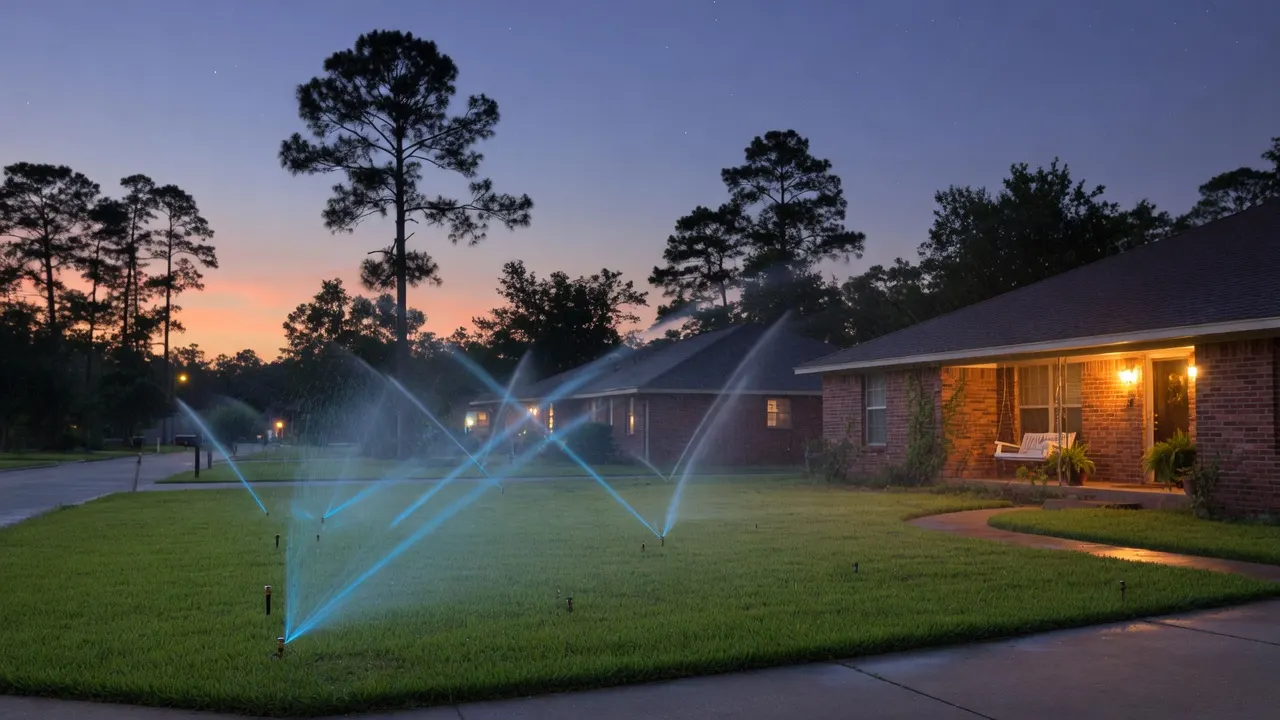
Sprinkler systems are designed around one key idea: head-to-head coverage. Each sprinkler’s spray should reach the next sprinkler head. This overlap creates an even layer of water across the whole lawn.
Spray patterns don’t drop water evenly. Most of the water lands closer to the head, and less reaches the outer edge of the spray. Overlap fills in those lighter edges, so every square foot gets about the same amount.
What Happens When Heads Are Too Far Apart
Wide gaps leave zones that get little or no water. You’ll often see:
- Dry, brown strips between rows of heads
- Crescent-shaped dead spots at the edge of spray patterns
- Thin grass in corners and along borders
Many people respond by running the system longer. That fixes the dry spots for a while but drowns the areas near each head.
What Happens When Heads Are Too Close Together
Tight spacing causes the opposite problem. Overlapping sprays dump extra water in the same spot, which leads to:
- Puddles and soggy soil
- Shallow roots that can’t handle summer heat
- Fungus, mushrooms, and lawn disease
- Runoff onto sidewalks, driveways, and streets
Common Signs of Improper Sprinkler Spacing
Spacing problems can look like other irrigation issues, so it helps to know what to watch for. Walk your property after a watering cycle and look for these clues.
Visual Signs in Your Lawn
- Patchy color. Green near the heads, brown or yellow between them.
- Repeating patterns. Dry spots that show up in the same place across several zones.
- Wet spots that won’t dry. Areas that stay mushy a day or more after watering.
- Weeds in thin areas. Weeds take over where turf struggles.
Signs While the System Runs
- Water spraying onto pavement, fences, or the side of your home
- Spray patterns that stop short of the next head
- Heads blocked by shrubs, flower beds, or new landscaping
- Water pooling and running off before it soaks in
Signs on Your Water Bill
If your bill keeps climbing but your lawn doesn’t look better, poor spacing may be part of the reason. Overwatering some areas while trying to save others burns through water fast.
Why Spacing Problems Happen
Knowing the cause helps you avoid repeat issues. Here are the most common reasons Dallas properties end up with poor coverage:
- Original design errors. Some systems were installed quickly or without a proper layout plan.
- DIY additions. Extra heads added later often don’t match the original design.
- Landscape changes. New patios, beds, trees, and walkways can block or shift coverage.
- Mixed head types. Spray heads and rotors put out water at very different rates. Mixing them in one zone causes uneven watering.
- Wrong nozzles. A nozzle with the wrong spray distance or pattern can leave gaps or cause overspray.
- Low or high water pressure. Low pressure shortens spray distance. High pressure creates mist that drifts away in the wind.
- Sunken or tilted heads. Heads that settle into the soil or lean to one side throw water in the wrong direction.
How Spacing Affects Lawn Health and Water Efficiency
Spacing isn’t only about looks. It shapes how your lawn grows and how much water you use.
Lawn Health
Healthy turf needs deep, even watering. Deep watering pushes roots down into the soil, where they can stay cool and find moisture. Uneven watering creates two weak zones: dry areas where roots die back and wet areas where roots stay shallow.
Dallas adds extra pressure. Long, hot summers stress grass quickly. Many local yards also have heavy clay soil, which absorbs water slowly. When too much water lands in one spot, clay soil can’t take it in fast enough, so it runs off or pools.
Water Efficiency
A system with poor spacing forces you to water for the driest spot in the lawn. That means every other area gets more than it needs. Fixing coverage lets you shorten run times while still keeping the whole lawn green.
Better coverage also helps you work within local watering schedules. When you can only water on certain days, every cycle needs to count.
A Quick DIY Coverage Check
You can get a rough idea of your coverage before calling a pro. Try this simple test:
- Place several empty, flat-bottomed cans (tuna cans work well) across one zone.
- Spread them out, with some near heads and some in the middle of the lawn.
- Run that zone for 15 minutes.
- Compare the water level in each can.
If some cans hold much more water than others, your coverage is uneven. This test shows you there’s a problem. A professional can tell you exactly why and how to fix it.
How Professional Irrigation Repair in Dallas Fixes Spacing Issues
Spacing problems usually involve more than moving a head a few feet. A trained technician looks at the full system to find the root cause.
Step 1: Coverage Analysis
A coverage analysis measures how evenly water spreads across your lawn. The technician checks each zone, maps spray patterns, and pinpoints gaps and overlap. This shows exactly where coverage breaks down.
Step 2: Pressure and Flow Testing
Spray distance depends on water pressure. Pressure testing and flow rate testing confirm whether your system has enough pressure to reach the next head, or too much, which causes misting. Fixing pressure sometimes solves coverage issues without moving a single head.
Step 3: Sprinkler Head Repair and Adjustment
Next comes the hands-on work. Sprinkler head repair may include:
- Replacing broken, clogged, or worn heads
- Raising sunken heads and straightening tilted ones
- Swapping nozzles to match spray distance and pattern
- Relocating heads to restore head-to-head coverage
- Adding heads to fill gaps or removing extras that cause overlap
- Grouping matching head types in the same zone
Step 4: Controller and Schedule Updates
Once coverage is even, your watering schedule should change too. A technician can adjust run times for each zone so you stop overwatering. They can also review rain sensor function and weather-based settings so your system responds to Dallas weather.
Step 5: Full System Audit (When Needed)
For larger properties or older systems, a system audit gives a full picture of efficiency. This is especially useful for property managers overseeing multiple zones, common areas, or commercial landscapes. An audit can also point out when a system retrofit makes more sense than repeated repairs.
Common Mistakes to Avoid
Before you try to fix coverage on your own, watch out for these frequent errors:
- Running the system longer to fix dry spots. This hides the problem and wastes water.
- Adding heads without checking pressure. Too many heads on one zone drops pressure for all of them.
- Using mismatched replacement heads. A different brand or model may spray at a different rate or distance.
- Ignoring plant growth. Shrubs and ground cover grow over time and block spray. Check for them each season.
- Skipping seasonal checks. Small shifts add up. A yearly inspection catches them early.
When to Call a Professional
Some fixes are simple, like clearing grass from around a head. Call a pro when you notice:
- Dry or soggy spots that return after adjustments
- Several heads in a zone that don’t reach each other
- Rising water bills with no clear cause
- Low pressure or misting across a zone
- Recent landscaping changes that affect coverage
- Multiple properties or large areas that need consistent results
A professional can fix the issue the right way the first time, which saves water, protects your landscape, and prevents repeat repair costs.
Get Even Coverage and a Healthier Lawn
Improper sprinkler head spacing causes dry patches, soggy spots, and wasted water. The fix starts with understanding how your system covers your lawn, then correcting heads, nozzles, pressure, and schedules so every area gets what it needs. With even coverage, your lawn grows stronger and your water bill stays in check.
Don’t let dry spots and puddles keep coming back. Reach out to our Dallas irrigation repair team for a coverage analysis and expert sprinkler head repair. Call 972-449-0446 today to schedule service and get your system watering the way it should.