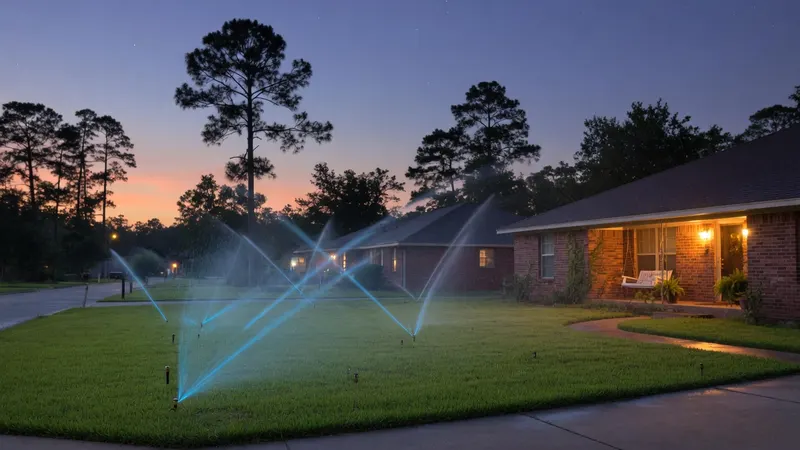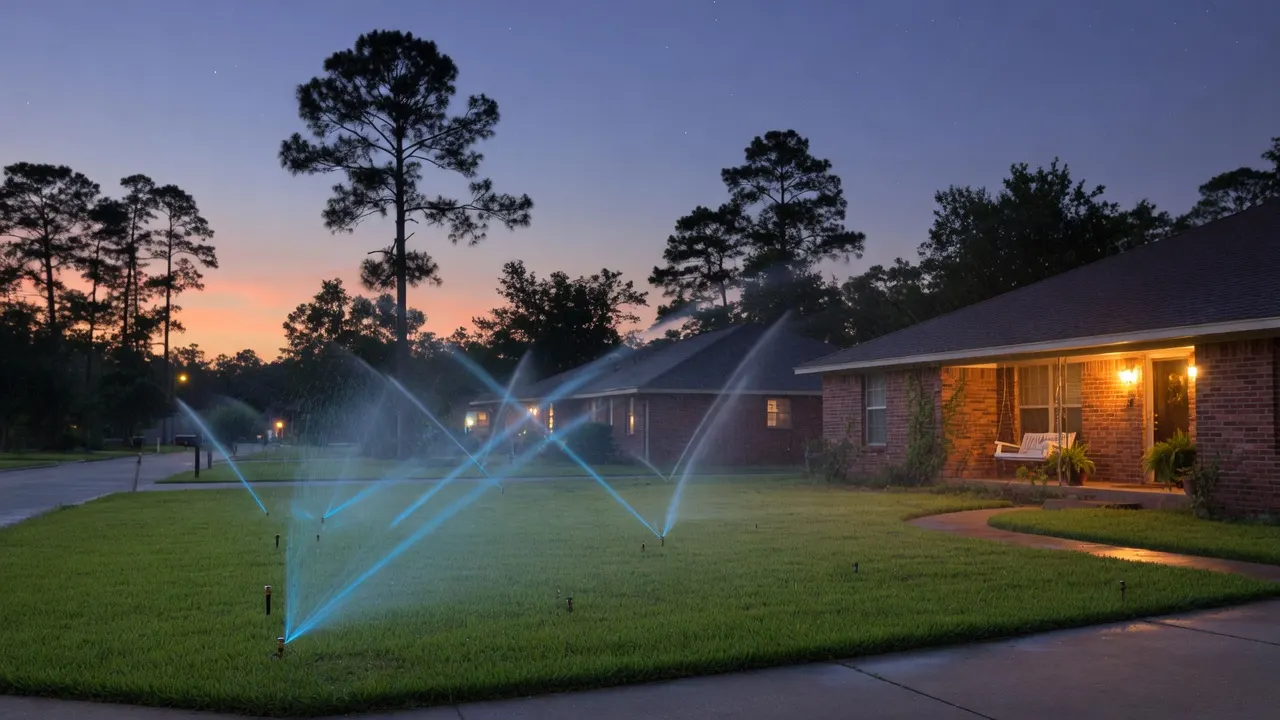
A sprinkler line bursts, water rushes across your yard, and you head for the shutoff valve. Then the handle won’t budge. For many Dallas homeowners, that is the first time they learn their manual valve has worn out.
This guide covers what manual shutoff valves do, the problems they develop, and the warning signs to watch for. You’ll also learn when to call a pro for Irrigation Repair Dallas homeowners can count on.
Quick takeaways:
- A stiff or stuck valve can leave you unable to stop a leak.
- Dallas heat, hard water, and winter freezes speed up valve wear.
- Fixing a valve early costs far less than repairing water damage.
What Is a Manual Shutoff Valve?
A manual shutoff valve lets you turn off water to your irrigation system by hand. It’s usually found near your water meter, backflow preventer, or where the sprinkler line branches off your home’s main supply. When you close it, water stops flowing to every zone in the system.
Why It Matters for Your Sprinkler System
Think of it as your system’s emergency brake. You need it when:
- A pipe or sprinkler head breaks
- You’re winterizing before a hard freeze
- A technician needs to make repairs
- You’re leaving town and want peace of mind
Most residential systems use either a ball valve, which closes with a quarter turn, or a gate valve, which takes several full turns. Gate valves are common in older Dallas homes and tend to fail more often over time.
Common Manual Shutoff Valve Problems
Manual valves sit untouched for months, sometimes years. That long idle time is often the root of the trouble.
Wear and Corrosion
Inside the valve, seals, washers, and stems slowly break down. Dallas has fairly hard water, and its minerals can build up on internal parts. Over time, that scale can keep the valve from sealing fully, even when it looks closed.
Difficulty Turning the Handle
A handle that won’t turn is the most common complaint we hear. Mineral buildup, rust, or a seized stem can lock the valve in place. Forcing it can snap the handle or crack the valve body, turning a small problem into a big one.
Leaks Around the Valve
Worn packing around the stem can cause slow drips. You may also see water seeping from the joints where the valve connects to the pipe. North Texas clay soil expands and shrinks with moisture, which puts extra stress on these connections.
Signs Your Valve Needs Repair or Replacement
Catching a problem early saves time and money. Watch for these red flags:
- The handle is stiff, stuck, or spins freely without stopping the water
- Water keeps flowing to your sprinklers after you close the valve
- Puddles or soggy soil around the valve box
- Visible rust, cracks, or green or white crust on the valve
- A higher water bill with no change in your watering habits
- Hissing or dripping sounds near the valve
If you notice any of these, don’t wait for an emergency to test the valve.
Why Timely Valve Repair Matters in Dallas
A failing shutoff valve might seem minor until you actually need it. Here’s why fast action pays off.
Prevent Water Waste and High Bills
Even a slow leak can waste a large amount of water over a season. With Dallas watering restrictions in place, every gallon counts for your budget and your landscape.
Protect Your Home and Yard
If a pipe bursts and your valve won’t close, water can flood your lawn, wash out flower beds, and even seep toward your foundation. Dallas homes on expansive clay soil are especially sensitive to sudden changes in soil moisture.
Be Ready for Freezes
North Texas winters can bring sudden hard freezes. A working shutoff valve lets you drain and protect your system before temperatures drop. A stuck valve leaves your pipes, backflow preventer, and sprinkler heads exposed to freeze damage.
A Common Mistake to Avoid
Many homeowners grab a wrench and force a stuck valve. It feels like a quick fix, but too much pressure can shear the stem or crack an old fitting. Then you have an active leak and no way to stop it.
Some people also wrap a leaking valve with tape and move on. That might slow the drip for a while, but it doesn’t fix worn internal parts. A professional repair or replacement is the safer, longer-lasting choice.
How Professional Irrigation Repair in Dallas Can Help
A trained technician can quickly tell whether your valve needs a simple repair or a full replacement. Our Irrigation repair services services include:
- Valve repair and replacement for stuck, leaking, or worn valves
- Backflow preventer repair and maintenance
- Pipe leak repair for underground lines
- Solenoid repair for zone valves that won’t open or close
- Emergency system shutoff and leak repair, with 24/7 service calls
We can also upgrade older gate valves to durable ball valves that are easier to operate. That way, you can shut off your system fast when it counts.
Simple Maintenance Tip
Turn your manual shutoff valve off and back on a couple of times a year. This keeps the parts moving and helps you spot trouble before an emergency. If it feels stiff, call us before it seizes completely.
Keep Your Sprinkler System Under Control
Your manual shutoff valve is small, but it plays a big role in protecting your home, lawn, and water bill. Wear, mineral buildup, and Texas weather can all cause it to stick or leak. Watching for early warning signs and acting quickly keeps small issues from becoming costly repairs.
If your valve is hard to turn, leaking, or not stopping the flow, our team is ready to help with reliable Irrigation Repair Dallas homeowners trust. Call 972-449-0446.